

A Q A CSE, As, and Advanced Level Photography
Collect other people’s images you like.
Show off your knowledge.
Show off your use of portraits.
Some people might like to look at popular commercial work here (family shots in studios)
Some people might like to look at portraits of the famous and how props and settings
are used to suggest their character and life-
Some people might like to look at self portraits. (Beginning with the old masters in oil paintings and working towards facebook phone shots, shadow images and reflections within photographs)

P O R T R A I T
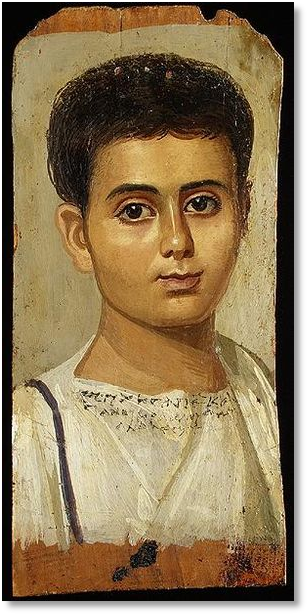

Roman-
“The earliest surviving painted portraits of people who were not kings or emperors, are the funeral portraits that survived in the dry climate of Egypt's Fayum district. These are almost the only paintings from the classical world that have survived, apart from frescos, though many sculptures survive, and portraits on coins”.
The “likeness” above still has real psychological impact even after the passage of more than 2,000 years.This is why portraits fascinate; they are likenesses and we respond to them almost as we would to real people especially when the portrait looks directly at us.
For me the portrait in Art and Photography is the most exalted of all the representative genres because of its strictly human concerns.
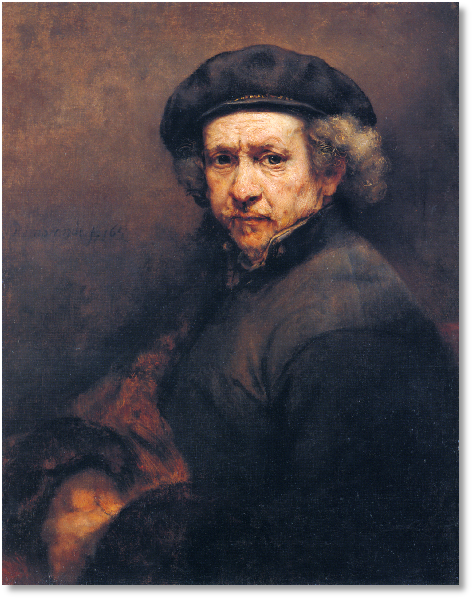

Rembrandt Harmenszoon van Rijn
Self Portrait with Beret and Turned-
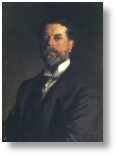
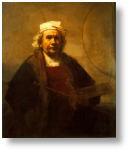
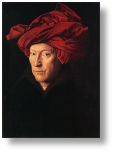


“The first photographic portrait was made only three months after the medium was invented in August 1839. In a single year, a number of portrait studios sprang up all over Europe; these were able to provide, for considerably smaller sums, what previously only the rich had been able to afford. Soon the first theory of the portrait was elaborated: Marcus Aurelius Root based his ideas on the mystical writings of Emanuel Swedenborg and the anatomical studies of Charles Bell. In his theory, he stressed that a portrait was no good if it did not reveal the soul of the person photographed.
The Bostonian daguerrotypist Albert Sands Southworth expanded this concept of the ‘interpretative’ portrait in 1871. He insisted that the character of the model should be immediately apparent when one first looked at the photograph, which was supposed to capture the most characteristic expression of the model.
This concept of the photographic portrait was dominant throughout the entire 19th
century and survived even into the 20th century. As late as 1939, Edward Weston claimed
that the photograph should penetrate below the surface of its subject and determine
the moment when the face shed its mask and the inner self was revealed. Some photographers
– including Robert Adamson, Julia Margaret Cameron, Nadar the Younger and Antoine
Samuel Adam-
They went beyond a mere likeness through pose, composition, dramatic lighting and
the attempt to depict the soul. The real ‘photo-
Everyone wanted to have a portrait of himself, of his friends and of famous figures, whose likenesses were, for a long time, considered to instructional and inspiring.”
This from,
http://www.fotografnet.cz/index.php?lang=en&cisi d=44&katid=7&claid=557
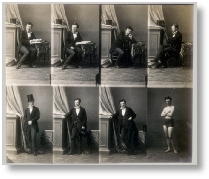
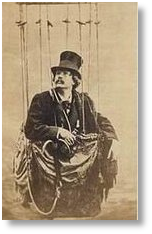
French carte de visite of Nadar the great French portrait photographer.
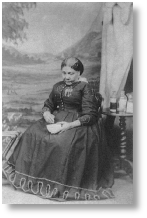
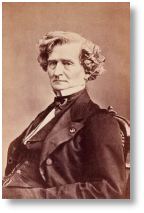
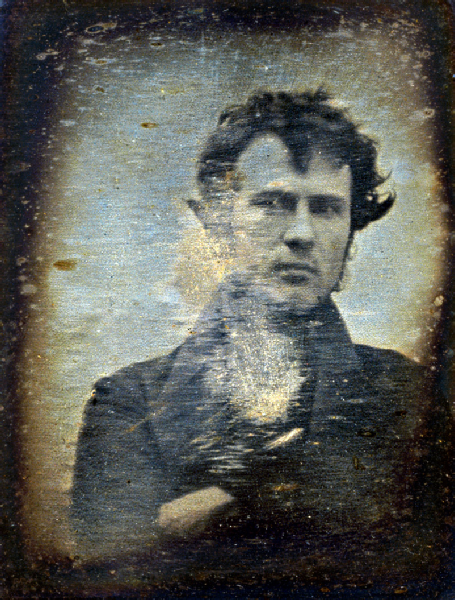
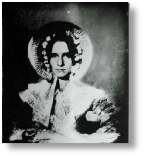
For a more detailed overview of the history of Photographic portraiture check the PDF link below
ALL THE IMAGES BELOW WERE MADE BY THE CANDIDATE PADDY SYMONS
The slide show below is a very short selection of some of my portrait work since 1964


| Key concepts |
| Genres |
| Inspirational work |
| colour |
| texture |
| line |
| form |
| shape |
| portrait |
| landscape |
| Julia Cameron |
| thumbnails |
| Photographing Sculpture Research |
| development |
| outcome |